You are here: Home » News » PPWR Is Now Live: What Businesses Need to Know

PPWR Is Now Live: What Businesses Need to Know

The EU Packaging and Packaging Waste Regulation (PPWR) now applies, following its general date of application on 12 August 2026. This marks a major change in how packaging placed on the EU market is regulated and means affected businesses must now comply with the requirements already in effect.

For businesses supplying packaging or packaged products into the EU – as well as those affected by its application in Northern Ireland – PPWR introduces responsibilities covering areas including packaging design, composition, documentation, labelling, recyclability, recycled content, reuse and waste prevention.

Not every PPWR requirement applies immediately, but 12 August was not simply a deadline that has passed. It marked the beginning of an ongoing compliance programme, with some obligations already applying and further significant measures taking effect between now and 2030 – and beyond.

Businesses should therefore act now to understand their responsibilities, address any immediate compliance gaps and prepare for the requirements still to come.

Here is what affected businesses need to know and the actions they should now be taking.
What Applies From 12 August?

From 12 August 2026, businesses must comply with the PPWR requirements relating to packaging composition, conformity documentation and economic operator responsibilities.

Depending on your organisation’s role and the markets into which you supply, immediate priorities may include:

  • Determining your legal role for each packaging type and route to market
  • Assessing packaging against the applicable sustainability and composition requirements
  • Preparing technical documentation to demonstrate compliance
  • Producing and signing an EU Declaration of Conformity
  • Collecting supplier data and supporting evidence
  • Checking whether food-contact packaging complies with the new restrictions on PFAS
  • Establishing processes for retaining documentation and responding to requests from enforcement authorities

The precise responsibilities will depend on factors including who manufactures the packaging, whose name or trademark appears on it, whether it is imported into the EU and how it is supplied. A business may also hold different legal roles for different products or routes to market.

It is therefore important not to assume that existing packaging compliance arrangements, or documentation provided by another organisation in the supply chain, will automatically meet your PPWR obligations.

New Restrictions on PFAS in Food-Contact Packaging

One of the most significant new restrictions applying from 12 August 2026 concerns per- and polyfluoroalkyl substances, commonly known as PFAS.

Food-contact packaging containing PFAS at or above the limits established by PPWR must no longer be placed on the EU market. This may affect food-contact formats in which PFAS have historically been used to provide resistance to grease, oil or moisture, including certain papers, wrappers, takeaway containers and bakery packaging.

The European Commission has confirmed that PPWR does not provide a general transitional period for exhausting non-compliant stock. Food-contact packaging placed on the market from 12 August 2026 must meet the applicable limits. However, packaging placed on the market before this date does not need to be withdrawn solely because of these provisions.

Businesses should therefore ensure they hold appropriate test results, supplier declarations or other evidence capable of demonstrating compliance.

What Does PPWR Mean for UK Businesses?

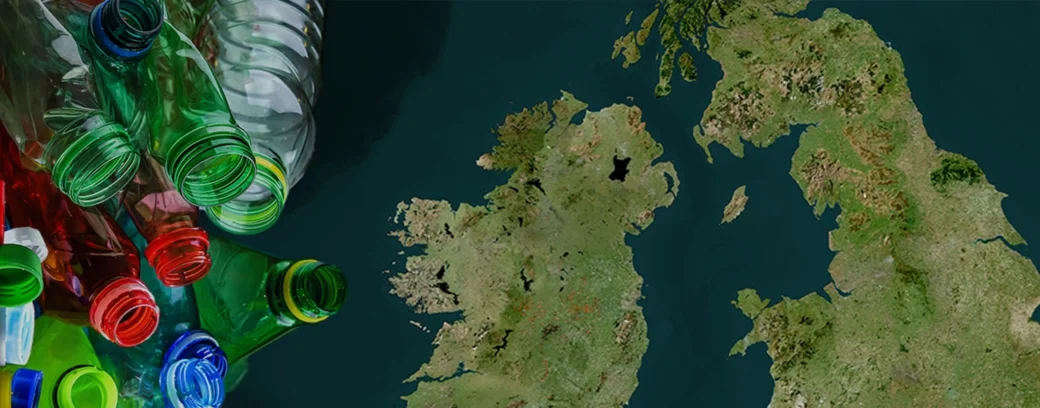
PPWR does not apply directly in Great Britain simply because a business is based there. However, it affects UK organisations placing packaging or packaged products on the EU market and applies in Northern Ireland under the Windsor Framework.

It may therefore be relevant to manufacturers, brands, retailers, exporters, online sellers and other organisations supplying products into EU Member States or Northern Ireland.

UK exporters may also find that EU customers request more detailed packaging specifications, supplier declarations and compliance documentation as part of their own due-diligence processes.

12 August Is the Starting Point

Although 12 August was an important compliance milestone, PPWR is not a single-date change.

Further measures will be introduced progressively. Key future changes include:

  • A harmonised EU labelling system, expected to begin applying from 2028
  • Requirements for packaging to be designed for recycling from 2030
  • Minimum recycled-content targets for certain plastic packaging from 2030
  • Restrictions on specified single-use packaging formats from 2030
  • Empty-space limits for certain grouped, transport and e-commerce packaging from 2030
  • Reuse and refill obligations for specified packaging categories from 2030

Additional requirements and higher targets will continue to take effect after 2030.

The European Commission is also continuing to develop the methodologies, implementing measures and technical standards needed to support PPWR. Businesses will therefore need to monitor regulatory developments and update their compliance processes as further detail becomes available.

What Should Businesses Do Now?

If your organisation has not yet completed a structured PPWR review, it should now be treated as a compliance priority.

A practical starting point is to:

  1. Map the packaging and packaged products you supply into the EU and Northern Ireland.
  2. Identify your legal role and responsibilities in each market and supply chain.
  3. Establish which requirements apply immediately and which will apply later.
  4. Review the evidence currently held for packaging composition, substances and performance.
  5. Identify gaps in technical documentation and supplier information.
  6. Prepare the required EU Declarations of Conformity and supporting technical documentation.
  7. Build future PPWR requirements into packaging design, procurement and product development decisions.


Businesses should treat PPWR as an ongoing compliance programme rather than a one-off documentation exercise. Decisions made now about materials, formats, suppliers and data collection could significantly affect future compliance, costs and market access.

How Clarity Can Help

Understanding what already applies, what comes next, and how PPWR affects individual packaging types can be challenging, particularly for businesses supplying multiple products through different routes to market.

Clarity’s PPWR Readiness Assessment helps businesses establish their legal roles, understand their responsibilities, identify gaps in documentation and supplier evidence, and turn the Regulation into a practical, prioritised action plan.

For businesses whose obligations are already established, Clarity can take on the full burden of data preparation and registration through our Manage and Prepare services, leaving you free to focus on the rest.

Whether you need support addressing immediate compliance requirements or are developing a longer-term PPWR strategy, we can help you prepare for every stage of implementation.

Related News & Views