You are here: Home / News / New Era for Textiles: Mandatory EU EPR Under the Revised Waste Framework Directive
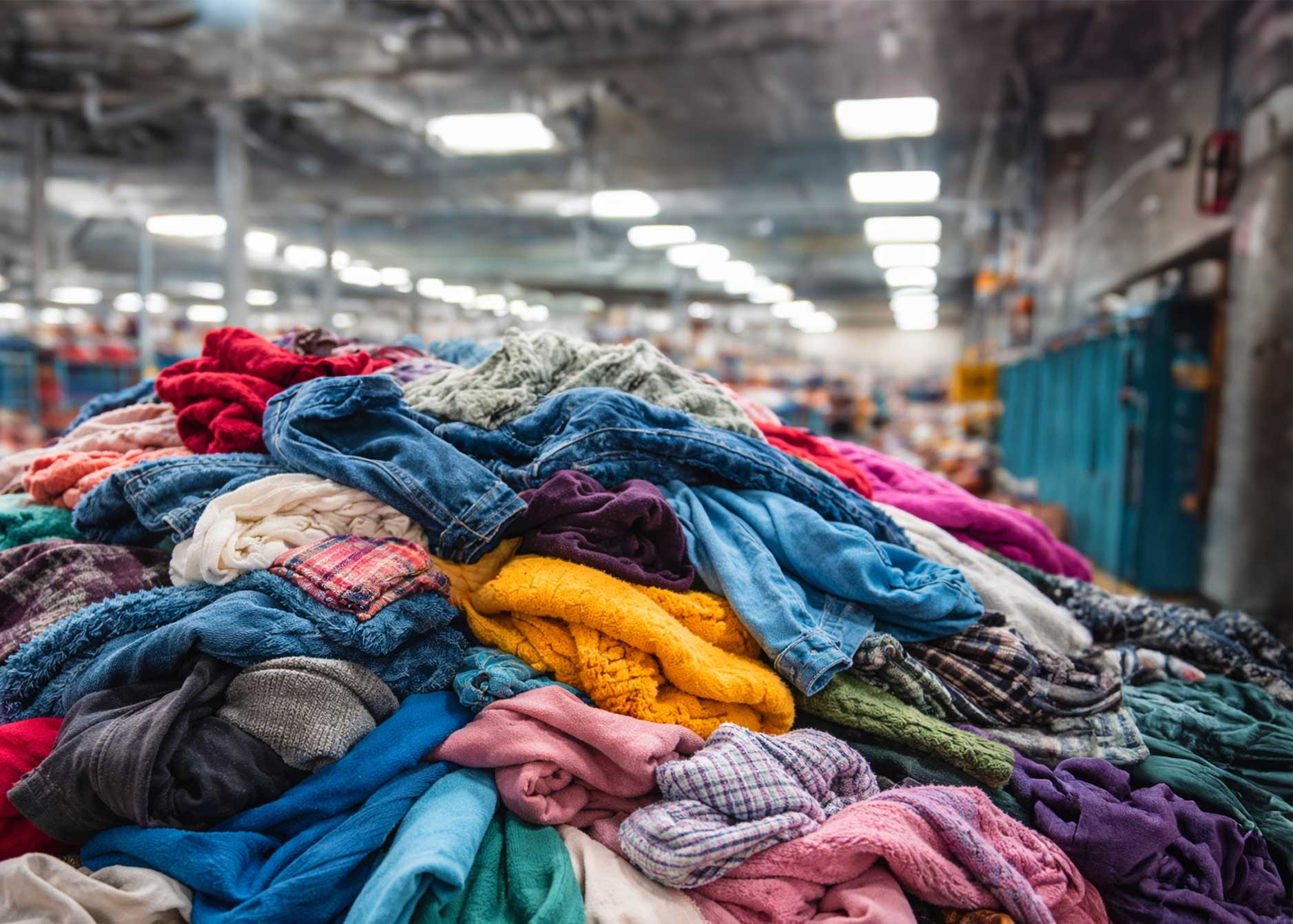
A pile of used textiles ready for reprocessing

New Era for Textiles: Mandatory EU EPR Under the Revised Waste Framework Directive

With the fashion and textiles sector generating an estimated 8–10% of global greenhouse gas emissions, and less than 1% of discarded textiles being recycled back into new materials, the European Union is taking decisive action to transform how textile waste is managed.

The revised Waste Framework Directive (WFD) introduces mandatory Extended Producer Responsibility (EPR) schemes for textiles across the EU, placing end-of-life responsibility onto producers and driving a transition to a more circular textiles system.

This article explains the new legislation, its deadlines, and the implications for UK as similar requirements may emerge domestically in the coming years.


1. The Revised Waste Framework Directive: An Overview

The original WFD came into force on 12 December 2008, establishing the EU’s core legal framework for waste management. Its objectives include protecting the environment and human health by promoting efficient waste management, prioritising recovery and recycling, and reducing pressure on natural resources.

The 2025 targeted revision of the WFD, which entered into force on 16 October 2025, strengthens EU rules on food waste and textile waste. It builds on existing principles and sets harmonised requirements that all Member States must follow.

For the textile sector, this revision is transformative: it introduces a common EU-wide requirement for mandatory EPR schemes, ensuring consistent standards and driving innovation, sustainability, and competitiveness.

2. What Mandatory Textile EPR Means for Producers

Under the revised WFD, all EU Member States must establish mandatory Extended Producer Responsibility schemes for textiles. These schemes will require obligated textile producers to finance the collection, sorting, and recycling of textile waste placed on the EU market.

Key obligations include:

  • Payment of EPR fees : Fees will be adjusted according to sustainability criteria such as durability, reparability and recyclability, informed by the Ecodesign for Sustainable Products Regulation (ESPR). This system, known as eco-modulation, rewards more sustainable product design and encourages circularity.
  • National scheme design: While the rules are harmonised, Member States retain flexibility in how they design and operate their textile EPR systems.
  • Reporting and transparency: Producers will be required to register, report volumes placed on the market, and comply with national EPR system requirements.

Many Member States have already developed or drafted their frameworks for national textile EPR schemes, with further announcements expected through 2026 and 2027.

3. Who Must Comply?

Textile EPR rules apply to any producer placing textile products on the EU market, including manufacturers, retailers and importers (including online)

Producers outside the EU must still comply if they sell directly to consumers in any EU Member State.

Products in Scope

The Directive covers a wide range of textile products, including:

  • Clothing
  • Accessories
  • Footwear
  • Hats
  • Blankets
  • Bed linen
  • Curtains
  • Mattresses
  • Carpets

4. Key Dates and Deadlines

The revised WFD sets clear legislative milestones:

  • 16 October 2025: Revised Waste Framework Directive entered into force.
  • June 2027: Deadline for Member States to transpose the revised Directive into national laws.
  • April 2028: Deadline for all Member States to establish operational EPR schemes for textiles

Businesses selling textiles into the EU should prepare now to ensure compliance with new national systems as they come online between 2027 and 2028.

5. Textile EPR in the UK

The UK has not yet implemented mandatory textile EPR. However, rising textile waste, the pressure to align with EU standards and tightening sustainability and waste reduction targets, all indicate that the UK is likely to move toward similar requirements in the coming years.

In the meantime, UK businesses can join the UK Textiles Pact, a voluntary initiative led by the environmental charity WRAP. The Pact supports the fashion and textiles industry to improve circularity, reduce environmental impact and accelerate the transition to a fully circular system by 2030.

6. What This Means for UK Businesses Selling into Europe

Mandatory textile EPR in the EU will create new legal and financial obligations for any UK businesses placing textile products on EU markets, including online sales shipped directly to consumers.

Preparing early will allow businesses to:

  • Understand future producer fees
  • Adapt product design to reduce eco-modulated costs
  • Improve supply chain traceability
  • Ensure correct registration and reporting in all relevant Member States

Businesses that act early may gain a competitive advantage as sustainability becomes a stronger purchase driver for consumers and retailers.

Related News & Views