M&S, New Look, Sainsbury’s and Oxfam have joined forces with Circle-8 to launch a new initiative aimed at developing the infrastructure needed to support textile-to-textile recycling in the UK.
Known as The Circuit, the collaborative project will bring together organisations from across the textile value chain to explore how clothing that can no longer be reused can instead be recovered, sorted and processed into raw materials for new textiles.
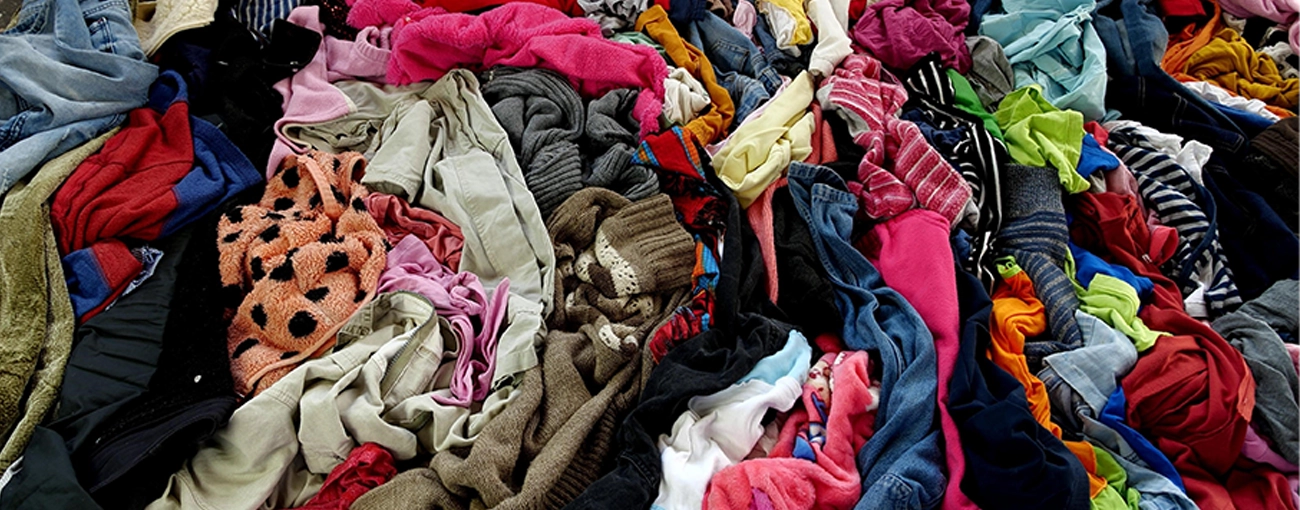
The initiative comes as the UK continues to generate significant volumes of post-consumer textiles. Around 1.4 million tonnes of post-consumer textiles were generated in the UK in 2022, with estimates suggesting that almost half were non-reusable.
What is The Circuit?
The Circuit has been developed by Circle-8 Textile Ecosystems and is designed to connect retailers, textile recovery organisations, automated sorting facilities, recyclers, digital innovators and manufacturers.
Its aim is to create new pathways through which UK-generated textiles that have reached the end of their usable life can be transformed into feedstock suitable for fibre-to-fibre recycling.
Rather than focusing solely on recycling technology itself, the project is looking at the wider infrastructure and commercial systems needed to make textile recycling viable at scale. This includes automated sorting and pre-processing, traceability, relationships between recyclers and retailers and routes to market for the recovered materials.
The initiative will support both mechanical and chemical recycling technologies, helping create potential outlets for different textile materials and fibre compositions.
Circle-8 is also developing Automated Textile Sorting and Pre-processing facilities designed to turn recovered textiles into suitable feedstock for existing and emerging textile recyclers.
The First Phase
The first phase of The Circuit is due to begin in January 2027 at Oxfam’s facility in Batley, Yorkshire.
Oxfam will use its experience in textile reuse and recovery to separate textiles that can still be reused from those that have reached the end of their usable life. The charity will also operate the automated textile sorting equipment used by the project.
The initial phase will focus on testing the systems required before the model can potentially be expanded, including:
- automated textile sorting
- developing reporting and traceability frameworks
- identifying opportunities for recovered circular materials
- developing relationships with textile recyclers, and
- exploring operational models capable of supporting the project at a larger scale.
Alongside the founding participants, the initiative is also open to further participation from retailers, recyclers and other organisations across the textile value chain.
Building a Circular Market for Textiles
Keeping clothing in use through reuse, repair and resale remains an important part of reducing textile waste. However, products eventually reach a point where they can no longer be reused.
The Circuit is focused on addressing this later stage of the lifecycle by developing a more reliable route for non-reusable textiles to become secondary raw materials rather than waste.
For retailers, the project also provides an opportunity to help shape the infrastructure and supply chains that could provide recycled textile materials in the future.
Katharine Beacham, Head of Sustainability & Materials in Fashion, Home & Beauty at M&S, said the project would bring organisations across the industry together to help establish viable routes for non-reusable textiles and support a more circular fashion system. The initiative also complements M&S’s wider ambition to give five million items an “Another Life” by 2030 through rewear, repair, resale and recycling.
What Could This Mean for the UK Textile Sector?
The partnership highlights a growing focus on developing the collection, sorting and processing infrastructure required to support a circular textiles economy.
While demand for recycled textile materials is developing, the systems required to consistently recover post-consumer clothing and convert it into suitable recycling feedstock remain at an earlier stage. The Circuit aims to help address this gap by bringing together different parts of the supply chain rather than tackling textile recycling in isolation.
If the initial phase can demonstrate workable systems for sorting, traceability and supplying recyclers with consistent feedstock, it could provide a model for expanding textile-to-textile recycling infrastructure across the UK.
For businesses placing clothing and textiles onto the UK market, initiatives such as The Circuit are another indication of the direction the sector is travelling, towards keeping products and materials in circulation for longer and developing stronger markets for recovered textile fibres.