You are here: Home / News / Should Glass be Included in the Welsh Deposit Return Scheme?

Should Glass be Included in the Welsh Deposit Return Scheme?

The UK is preparing for the introduction of deposit return schemes for drinks containers from 1 October 2027. Across England, Scotland and Northern Ireland, the schemes will cover single-use PET plastic bottles and aluminium and steel cans – but not glass.

Wales has chosen a different path.

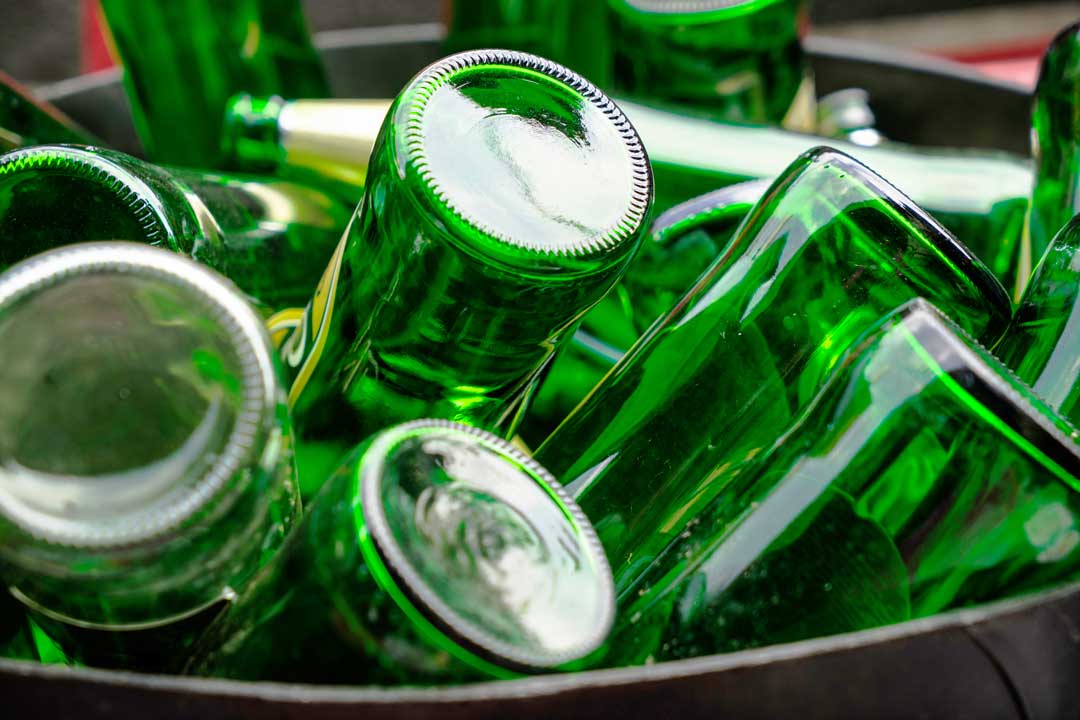
Under the Deposit Scheme for Drinks Containers (Wales) Regulations 2026, glass bottles will also fall within the scope of the Welsh scheme. However, during a transitional period running until October 2031, single-use glass bottles will carry a zero-pence deposit and will not be subject to the same labelling requirements or collection targets as plastic and metal containers.

The Welsh Government argues that including glass will help tackle litter, improve recycling and support a longer-term shift towards reusable packaging. Its ambition is understandable: glass remains a visible component of litter, its production is energy intensive, and retaining high-quality material within a circular system could provide valuable environmental benefits.

However, with industry preparations for DRS accelerating, questions are growing over whether including glass is the right approach for Wales – or whether it risks adding unnecessary complexity to a scheme that is already challenging to deliver.

The environmental case for including glass

Supporters of the Welsh approach argue that a comprehensive DRS should cover all commonly used drinks containers rather than treating different packaging materials differently.

Including glass could provide a stronger incentive for consumers to return bottles, particularly those consumed away from home and more likely to be discarded as litter. Separately collected glass may also provide a more consistent supply of high-quality recycled material and support closed-loop recycling into new bottles.

The Welsh Government’s position is also closely connected to its ambitions for reusable packaging. Glass bottles can potentially be washed, refilled and placed back on the market multiple times, reducing demand for new packaging materials.

However, the question facing Wales is not simply whether glass can be included in a DRS. It is whether it should be included within this particular scheme, in this market and under the timetable currently proposed.

Wales is not starting from a low recycling baseline

The environmental case for including a material in DRS is strongest where existing collection systems are failing.

That is not obviously the situation with glass in Wales.

Wales already has one of the UK’s strongest household recycling records, with the great majority of household glass captured through established kerbside collections. This makes it important to establish what additional environmental benefit DRS would deliver and whether that benefit would justify the cost and disruption involved.

Moving drinks bottles into DRS could also divide glass packaging between two collection systems. Drinks bottles would ultimately be returned through retailers or designated collection points, while glass jars and other containers would continue to be collected from households.

The result could be additional consumer confusion, duplicated infrastructure and reduced economies of scale for local authority collections. The existing system would still be required, but with some of its most valuable material redirected elsewhere.

There are also questions about material quality. British Glass has argued that Wales’s existing kerbside collection model helps preserve glass for colour sorting and remelting, while some reverse vending systems crush glass during collection. The environmental outcome therefore depends not only on how much glass is collected, but also on how effectively it can be recycled back into new containers.

A Welsh-only approach creates additional complexity

Internationally, the most successful DRS systems operate within a consistent national system. Wales faces a different challenge because it shares highly integrated production, retail and distribution networks with the rest of the UK.

Producers rarely manufacture drinks exclusively for the Welsh market. Products are routinely distributed through warehouses and supply chains serving multiple UK nations.

Different rules for Wales could therefore require businesses to identify, report and manage products according to where they are sold. This creates the potential for additional administration, separate stock controls and, eventually, Wales-specific labelling.

Smaller producers could be particularly affected. Larger companies may have the systems and resources to manage different requirements, but separate processes could make supplying relatively small volumes to Wales disproportionately expensive for independent breweries, vineyards and drinks manufacturers.

The risk is that some businesses respond by reducing the products they supply to Wales, passing additional costs to consumers or changing the packaging materials they use. None of these would represent an ideal environmental or commercial outcome.

Practical challenges for retailers

Glass also introduces physical challenges that do not apply to the same extent to plastic bottles and cans.

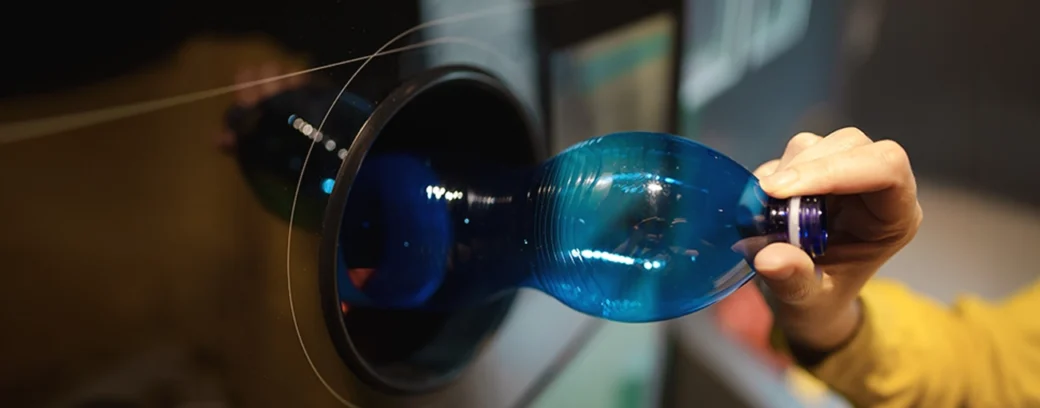
Glass containers are heavier, more fragile and potentially hazardous when broken. Collecting them may require larger or more sophisticated reverse vending machines, additional storage space and more frequent collections.

These considerations are particularly important for smaller convenience retailers, many of which have limited space behind the counter or in their storage areas. The Association of Convenience Stores has called for glass to be removed from the Welsh scheme, warning that it will add cost and complexity without necessarily delivering equivalent benefits.

There are also legitimate questions about consumer behaviour during the transition period. From October 2027 until October 2031, glass will sit within the Welsh DRS but carry no refundable deposit.

Without a financial incentive, consumers may reasonably choose to continue using convenient kerbside collections rather than transporting heavy glass bottles back to a retailer. Businesses could therefore incur costs associated with the scheme without generating a meaningful change in return behaviour.

Could glass jeopardise the wider DRS?

The most immediate concern is no longer simply whether glass could eventually operate successfully within the Welsh scheme. It is whether continued disagreement over glass could disrupt preparations for October 2027.

Exchange for Change has been appointed to operate the interoperable schemes covering England, Scotland and Northern Ireland. Wales is developing its own arrangements while also needing to ensure that plastic bottles and metal cans can move seamlessly between the four nations.

That requires compatible registration and reporting, reciprocal returns, consistent labelling and the same deposit level across the UK. Introducing an additional material in one nation makes an already complex implementation programme harder.

The inclusion of glass was also a central point of disagreement during the development of Scotland’s previous DRS. That scheme was ultimately abandoned shortly before its planned launch, leaving businesses and public bodies with substantial costs. Wales should be careful not to repeat the experience by allowing one disputed element to undermine the delivery of the wider scheme.

Environmental ambition must be deliverable

There is a credible environmental case for increasing glass reuse and ensuring that more bottles are recycled back into high-quality packaging. However, worthy objectives do not automatically make every delivery model proportionate or practical.

The immediate priority should be establishing a UK-wide DRS that consumers understand and businesses can implement successfully from October 2027. Plastic bottles and drinks cans are widely littered, frequently consumed away from home and currently collected at lower rates than household glass in Wales. They provide the clearest opportunity for DRS to deliver additional environmental value.

Attempting to incorporate glass through a different Welsh model risks diverting time, investment and attention from that central objective.

A more proportionate approach would be to keep single-use glass within Wales’s established kerbside and packaging EPR arrangements while separately developing evidence-based proposals for reusable and refillable packaging. This would allow Wales to pursue its circular-economy ambitions without making the initial DRS unnecessarily difficult to deliver.

Is it time for Wales to reconsider?

The debate should not be framed as a choice between environmental progress and industry convenience. A scheme that is excessively expensive, confusing or difficult to operate will not deliver lasting environmental benefits.

Glass-inclusive deposit systems can work. However, their success elsewhere does not prove that a separate Welsh model will work within an integrated UK market – particularly when Wales already collects very high levels of household glass.

Unless the Welsh Government can clearly demonstrate the additional environmental benefit, explain how the transition will work and provide businesses with a credible implementation plan, the case for including single-use glass remains unconvincing.

With October 2027 rapidly approaching, the greatest risk may be allowing disagreement over glass to compromise the introduction of a DRS for the materials where it can make the most immediate difference.

For Wales, environmental ambition remains important. But at this stage, delivering a simpler, aligned and workable scheme should take priority.

Related News & Views