WRAP (Waste and Resources Action Programme), through the UK Textiles Pact, has published an industry-developed ten-point blueprint outlining how a mandatory UK Textiles Extended Producer Responsibility (EPR) scheme could be designed.
Developed through extensive cross-sector engagement across the textiles value chain, the blueprint proposes an industry-led Producer Responsibility Organisation (PRO), eco-modulated per-item EPR fees, UK-wide scope, and a strong focus on reuse.
The proposals aim to reform how textile waste is funded and managed in the UK, reduce landfill and incineration, and support investment in domestic reuse and recycling infrastructure.
This article provides an overview of the blueprint for a potential UK Textiles EPR scheme, highlighting the ten key recommendations and what they could mean for textile producers.
What is Textiles EPR?
Textiles Extended Producer Responsibility (Textiles EPR) is a proposed regulatory framework that would require businesses placing textile products on the market to fund the collection, reuse, recycling and treatment of those products when they reach end-of-life.
Several EU countries are already implementing textiles EPR schemes, and the UK Government is now considering whether a similar framework should be introduced.
Why Textile Waste is Becoming a Policy Priority
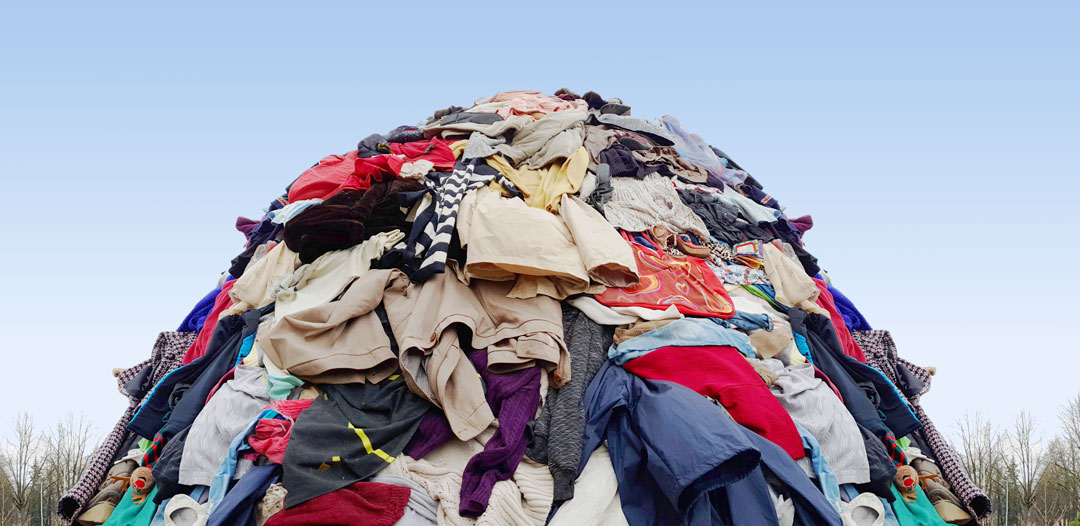
Textiles are one of the fastest growing waste streams in the UK. Unlike packaging, electrical equipment or batteries, there is currently no producer responsibility framework requiring brands to fund the management of textile waste.
As clothing consumption has increased and product lifespans have shortened, charities, local authorities and reuse organisations have faced growing pressure managing end-of-life textiles without a dedicated funding mechanism.
While the UK has well-established charity reuse and collection systems, these systems were historically designed to handle higher-quality garments and are increasingly struggling to manage large volumes of low-value fast fashion items.
The blueprint proposes an Extended Producer Responsibility framework as a mechanism to shift the financial burden of managing textile waste from charities and local authorities to the producers placing products on the market.
Textile Waste in the UK
Textile waste management in the UK is currently under significant strain. Charities and local authorities are receiving increasing volumes of low-quality, non-reusable clothing, with limited funding mechanisms in place to manage end-of-life textiles.
According to WRAP:
- 49% of used textiles are discarded in the general waste bin
• This equates to approximately 35 items per person per year
• Local authority textile waste handling costs could rise from £73 million to £200 million annually by 2035.
Without reform, environmental impacts are expected to worsen significantly. WRAP estimates that increased landfill and incineration of textiles could result in an additional 2.5 million tonnes of CO₂ emissions per year.
A UK Textiles EPR scheme is therefore positioned as a systemic funding reform designed to support reuse systems, recycling infrastructure and improved textile waste management.
What Is the UK Textiles Pact?
The UK Textiles Pact is a voluntary industry initiative led by WRAP, bringing together stakeholders from across the textiles value chain, including:
- Retailers and brands
- Charity retail organisations
- Reuse and recycling operators
- Waste management companies
- Academia
- Trade associations
In July 2025, WRAP convened an EPR Working Group and hosted a full-day workshop to gather stakeholder input on the potential design of a future UK Textiles EPR scheme.
The outcome of this engagement was a collaboratively developed ten-point blueprint produced alongside several industry organisations, including:
- British Retail Consortium
- British Fashion Council
- UK Fashion & Textile Association
- WEFT
The blueprint sets out industry-supported recommendations for how a mandatory UK Textiles EPR scheme could be structured.
The Ten Key Recommendations for UK Textiles EPR
The blueprint outlines ten core positions for establishing a UK Textiles Extended Producer Responsibility scheme:
- Publish legislation during this Parliament to establish a mandatory UK Textiles EPR scheme.
- Establish an industry-led scheme run by a single, non-profit Producer Responsibility Organisation (PRO), with a steering committee representing the whole textiles value chain.
- Include all UK nations in the scheme.
- Consider a phased approach to products included within the scope of EPR, with clear timelines for when different textile items are included. Options of how this could be approached are detailed within the Blueprint.
- Align the definition of ‘producers’ with the EU and existing UK producer responsibility schemes for other waste streams, such as Waste Electrical & Electronic Equipment (WEEE).
- Ensure EPR funding is ringfenced for direct reinvestment into the scheme’s success, and apply EPR fees on a per-item basis.
- Make fees eco-modulated to reward sustainable design and materials.
- Prioritise reuse over recycling to maximise environmental benefits.
- Following successful implementation, consider a voluntary ‘plug-in’ mechanism allowing producers to further support responsible textile management in the Global South.
- The PRO should play an active role in EPR scheme enforcement to ensure a fair playing field for producers and to maximise the impact of the scheme.
How UK Textiles EPR Could Differ from EU Approaches
Under the revised EU Waste Framework Directive, EU Member States are required to structure textiles EPR fees based on the weight (kilograms) of products placed on the market.
In contrast, stakeholders across the UK textiles value chain have expressed support for exploring a per-product feed model rather than a weight-based system.
This reflects several key considerations:
- A weight-based approach could unintentionally incentivise lighter, less durable products.
- Weight alone is not a reliable proxy for assessing whether products meet durability, recyclability or repairability criteria.
- Textile recycling operators report that operational costs are more closely linked to the number of units processed, rather than their overall tonnage.
If adopted, this divergence could represent a significant policy distinction between UK Textiles EPR and EU frameworks.
What This Means for UK Textile Producers
Although a UK Textiles EPR scheme has not yet been legislated, the blueprint signals a clear direction of travel for future regulation.
If implemented broadly as proposed, producers placing textiles on the UK market could be required to fund the collection, reuse, recycling and treatment of textile waste through a mandatory Extended Producer Responsibility scheme.
Potential implications for producers could include:
- New producer obligations for businesses placing clothing and textile products on the UK market
• EPR fees applied per textile item placed on the market
• Eco-modulated fee structures rewarding more durable, recyclable and repairable products
• Increased data reporting requirements relating to textile products placed on the market
• Greater focus on product design and material selection as drivers of future compliance costs
While the precise regulatory framework is still under development, the blueprint provides an early indication of how producer responsibility for textiles could operate in the UK.
Businesses placing textiles on the market may therefore wish to monitor developments closely and consider how future EPR requirements could affect product design, data reporting and compliance costs.
Next Steps
The blueprint calls for legislation to be introduced during this Parliament, with the forthcoming Circular Economy Growth Plan expected to clarify the Government’s position on textiles EPR.
Key areas to watch include:
- Legislative timelines
- Scope of obligated producers
- Fee calculation methodology
- Governance and enforcement structures
- Alignment (or divergence) with EU policy
Clarity Environmental will continue to monitor developments around UK Textiles EPR and wider circular economy policy to ensure producers remain informed about emerging regulatory obligations and future compliance requirements.
To find out further details about the blueprint visit UK Textiles Extended Producer Responsibility Blueprint.