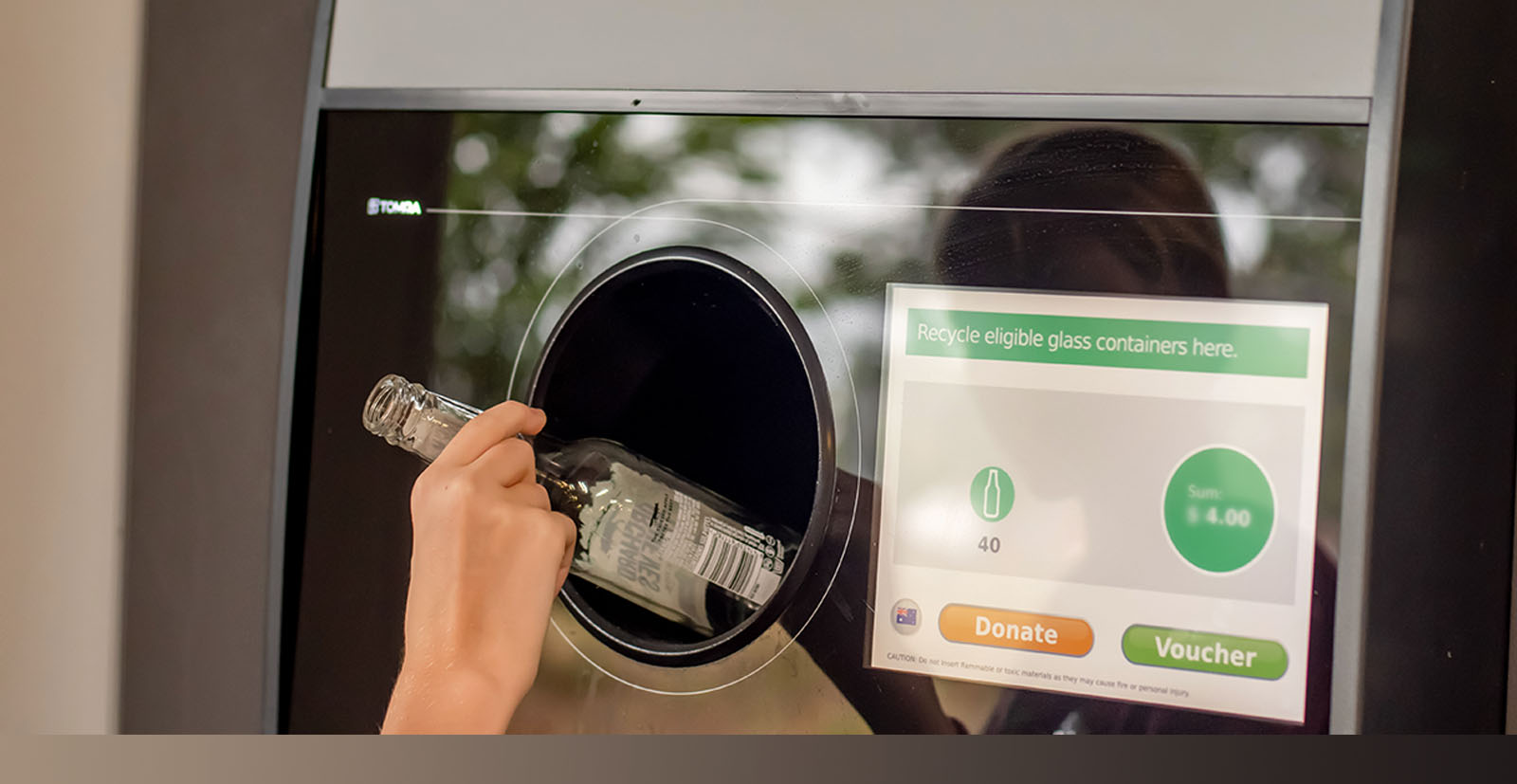
The Welsh Government has secured approval under the United Kingdom Internal Market Act 2020 to include glass containers in its forthcoming Deposit Return Scheme (DRS).
The decision follows agreement from the UK Government to grant Wales an exclusion from internal market rules that would otherwise have prevented it from diverging from the UK-wide DRS model.
What Has Been Agreed?
The Welsh DRS will launch on 1 October 2027, in line with schemes across the UK. However, unlike England, Scotland and Northern Ireland, Wales will include glass drinks containers within scope.
To manage implementation, ministers have confirmed a four-year transition period:
- From October 2027 to October 2031, glass containers will:
- Be in scope of the Welsh DRS
- Carry a 0p deposit
- Be exempt from DRS labelling requirements
- From October 2031, a full deposit and refund system for glass is expected to apply.
During the transitional period, consumers will not pay a deposit on glass drinks containers nor receive a refund on return. This phased approach is intended to give producers and retailers additional time to prepare for operational, labelling and infrastructure changes.
Alignment with the Rest of the UK
For plastic (PET) and metal drinks containers, Wales will align with the rest of the UK DRS framework. The Welsh Government has confirmed that the scheme will include:
- A single registration approach
- Reciprocal take-back arrangements
- Consistent scheme branding
- Cross-border interoperability
A joint taskforce involving the devolved governments and industry representatives will oversee delivery and coordination.
Industry response: Cost, Complexity and Market Impact
The decision has prompted strong reaction from trade associations representing drinks producers, wholesalers, retailers and hospitality businesses.
The Wine and Spirit Trade Association (WSTA) described the move as “a recipe for disaster”, warning that the inclusion of glass could:
- Lead to significant product withdrawal from the Welsh market
- Require differentiation of Welsh stock to manage fraud and environmental charging
- Increase compliance costs for producers trading across UK borders
WSTA figures suggest that up to 97% of product lines could become uneconomical to supply in Wales if separate compliance processes and stock controls are required.
Food and Drink Wholesale UK raised concerns about additional warehousing and segregation costs for wholesalers operating on both sides of the England–Wales border. British Glass and other industry bodies have questioned whether including glass in DRS delivers additional environmental benefit in Wales, where kerbside glass recycling rates already exceed 90%. Retail groups have also warned that reverse vending machine requirements and handling arrangements could create further operational burdens for smaller stores.
The Welsh Government maintains that inclusion of glass supports its circular economy ambitions and builds on Wales’ strong recycling performance.
From a compliance perspective, the decision materially changes the operational landscape for producers trading across the UK.