The Recyclability Assessment Methodology (RAM): What Packaging Producers Need to Know
Page Updated: 10/08/2026

The Recyclability Assessment Methodology (RAM) is now an established part of EPR packaging reporting, and large producers must ensure they are using the correct version of the methodology for each reporting year. From 1 January 2025, large producers supplying household packaging, packaging that commonly ends up in public bins, or household drinks containers made of glass must assess the recyclability of that packaging using RAM and report the results to their environmental regulator.
This guide explains how RAM works, how recyclability ratings affect EPR disposal fees, and what producers need to do to meet their reporting requirements.
RAM assesses packaging against defined recyclability criteria and assigns a Red, Amber or Green (RAG) rating. These ratings are reported as part of EPR packaging data and are used to determine the modulation of household packaging waste disposal fees.
RAM primarily assesses whether packaging can be recycled through existing UK recycling infrastructure. It is not intended to provide a broader assessment of a packaging format’s overall environmental impact.
Some packaging must be rated Red automatically where it meets specific criteria set out in the RAM. In these cases, no further recyclability assessment is required.
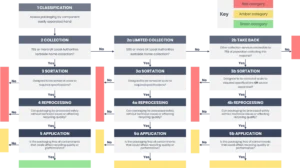
RAM forms part of the UK’s EPR for packaging framework, under which obligated producers contribute towards the costs of managing household packaging waste. By linking disposal fees to recyclability, RAM also provides a financial incentive for producers to improve packaging design and recyclability.
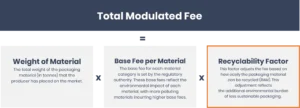
RAM ratings are used to determine the modulation of household packaging waste disposal fees. From the 2026–27 assessment year, less recyclable packaging can attract higher fees, while more recyclable packaging can benefit from lower fees within the relevant material category.
RAM assesses packaging recyclability across four main stages:
Packaging is assessed against the RAM criteria at each of these stages, resulting in a final Red, Amber or Green rating. The final rating is reported alongside other EPR packaging data and is used to determine the modulation of disposal fees for the relevant packaging material.
Our powerful platform enables producers to gain RAG scores at scale and unlock clear financial insights into how each packaging component impacts cost and recyclability.
Explore RAM Assess today and take control of your packaging performance.