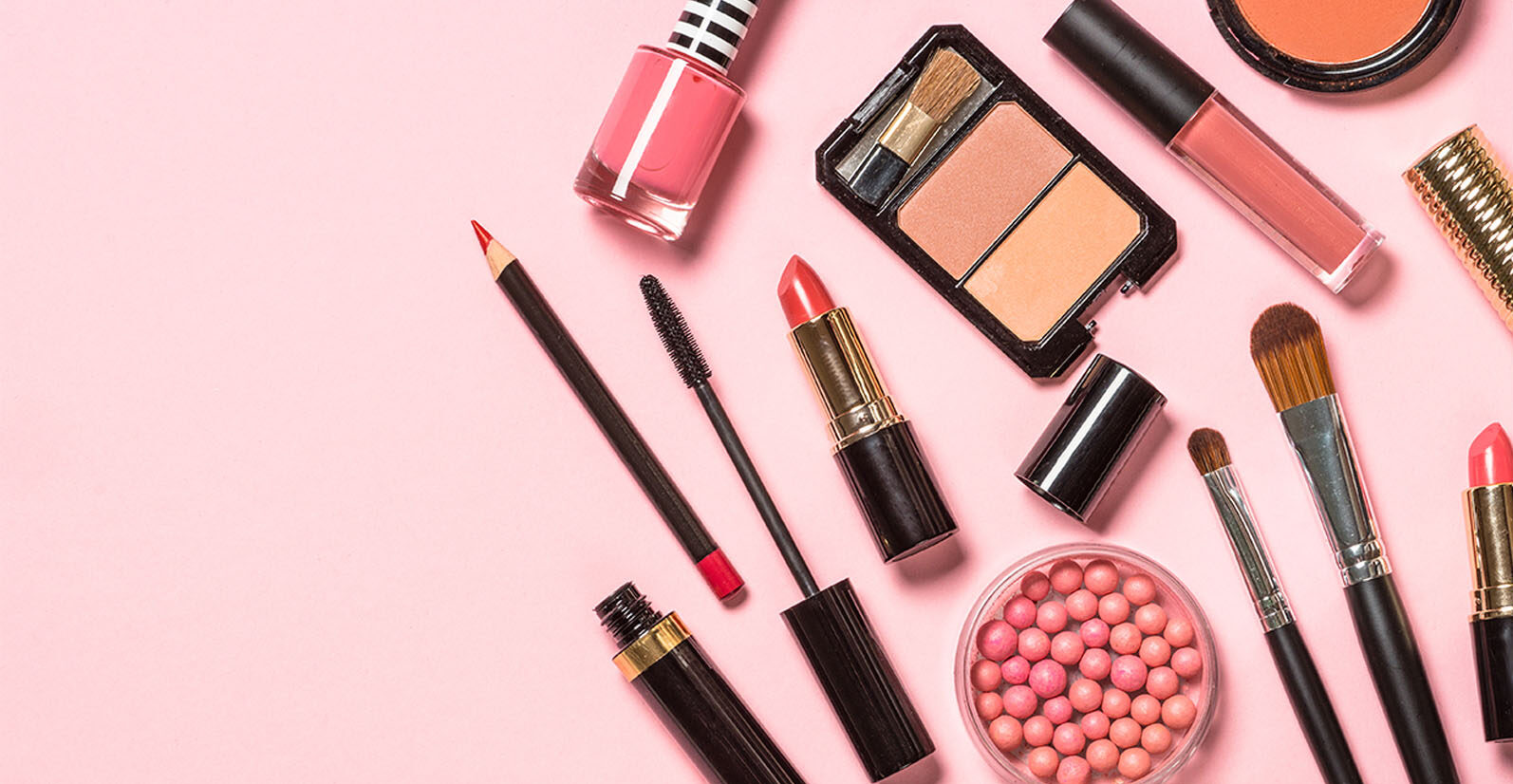
Packaging has become one of the defining challenges facing the beauty industry.
Long valued for its role in product protection, brand identity and shelf appeal, packaging is now under pressure from multiple directions. Rising material and energy costs, supply chain volatility, increasing demand for recycled content, and the introduction of Extended Producer Responsibility (EPR) are all forcing beauty businesses to rethink their approach.
What was once a design and procurement decision is now a strategic issue, with direct implications for cost, compliance and brand performance.
Packaging costs are rising across the beauty sector
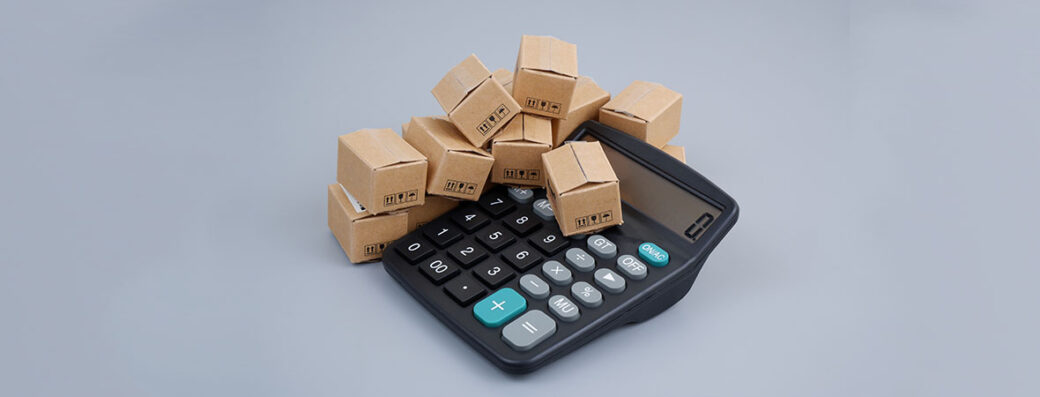
Beauty brands are facing sustained increases in packaging-related costs. Materials such as glass, aluminium, plastics and paperboard have all been impacted by wider market pressures, while energy-intensive production processes and transport costs continue to add strain.
This challenge is particularly acute in the beauty sector, where packaging plays a critical role in:
- Protecting the product.
- Shaping the customer experience.
- Reinforcing brand identity and positioning.
- Supporting functionality and convenience.
As a result, reducing packaging costs is rarely straightforward. Changes must be carefully balanced against product quality, consumer expectations and brand value.
Many businesses are now reviewing pack formats, reassessing sourcing strategies, and identifying where materials or components can be reduced without compromising performance.
At the same time, EPR is introducing a new cost consideration. Packaging decisions are no longer limited to sourcing and production; businesses must now consider how packaging will be assessed for recyclability, and how that could influence future disposal costs through fee modulation.
Sustainable packaging comes at a cost
The transition to more sustainable packaging presents its own set of challenges, particularly around the use of recycled content.
Post-consumer recycled (PCR) plastic, for example, often carries a higher cost than virgin material. This is typically driven by:
- limited supply
- additional processing requirements
- variable material quality
- increasing competition for recycled feedstock.
By 2023, 82% of UK beauty brands were using recyclable or reusable packaging, up from 70% in 2021. This reflects clear momentum across the sector, but also highlights the growing investment required to meet sustainability expectations.
At the same time, demand for lower-impact products continues to rise. Plastic-free beauty product sales in the UK grew by 19% between 2021 and 2023, underlining sustained consumer interest in more sustainable alternatives.
This creates a clear commercial tension. While businesses are under increasing pressure to improve packaging sustainability, the materials and formats that support this transition do not always come at the lowest cost.
For brands, the challenge is no longer whether to improve packaging sustainability, but how to do so in a way that remains commercially viable and operationally practical.
Sustainability expectations are reshaping packaging decisions
Sustainability expectations are now moving faster than the systems designed to support them. For beauty brands, this is creating a growing disconnect between packaging innovation and real-world outcomes.
Sustainability is no longer a secondary consideration. It is now a central factor influencing decisions around material selection, pack design, refill models and end-of-life outcomes.
However, beauty packaging remains one of the sector’s most persistent challenges. Many formats are small, multi-material, and often contain residual product, making them difficult to recycle through standard household collection systems. What’s more, items such as mascara tubes, pumps and compacts frequently fall outside the scope of kerbside recycling infrastructure.
This highlights a wider disconnect. While brands are making progress in improving packaging design and material choices, the systems required to recover those materials are not advancing at the same pace.
Consumer behaviour also remains a barrier. Only 20% of UK consumers consistently recycle beauty product packaging, with glass the most commonly recycled material. This reinforces the gap between packaging design improvements and real-world recycling outcomes.
In response, businesses are increasingly exploring ways to reduce material use and improve circularity. In 2023:
This shift is now being reflected in the market. Refillable beauty product sales reached £0.8 billion in the UK in 2023, a 20% increase on 2022, signalling growing confidence in alternative packaging models from both brands and consumers.
The wider industry is also investing in more joined-up solutions. One example is the Great British Beauty Clean Up, led by the British Beauty Council in partnership with waste management firm MYGroup.
The initiative aims to:
- Create dedicated recycling routes for hard-to-recycle beauty packaging
- Support the transition towards reusable and refillable formats
- Reduce the volume of single-use packaging entering the market
Since 2021, more than 20 circular economy projects have been launched across the UK beauty sector, reflecting a broader shift in thinking.
Packaging is no longer being viewed purely as a design challenge, but as part of a wider system that includes collection, recovery and reuse.
Crucially, this gap between design, infrastructure and real-world recycling performance is now beginning to carry a direct financial impact.
EPR and RAM are changing the cost equation
For the first time, packaging design decisions in the beauty sector will have a direct and measurable impact on compliance costs.
The introduction of EPR is fundamentally changing how packaging costs are calculated.
From 2026, disposal costs will increasingly be influenced by recyclability performance, assessed through the Recyclability Assessment Methodology (RAM). Packaging that is more difficult to recycle is expected to attract higher fees, while more recyclable formats may benefit from reduced costs.
This creates a direct financial link between packaging design and compliance costs.
For beauty brands, this is particularly significant. Complex, multi-material formats, which are common across the sector, are more likely to attract less favourable recyclability ratings.
As a result, packaging decisions now need to balance:
- Cost of materials and production
- Brand and functional requirements
- Recyclability performance
- Future EPR fee exposure
This is driving a shift towards more data-led decision making, where businesses assess the financial impact of packaging choices before they are placed on the market.
Collaboration will be critical to progress
The scale of the beauty industry’s packaging challenge means that no single organisation can solve it in isolation.
Brands, retailers, packaging suppliers and waste management partners all have a role to play in building systems that are more practical, more resilient and more sustainable.
This includes continued progress on:
- material reduction
- simpler, more recyclable pack design
- take-back and collection schemes
- better end-of-life infrastructure
For the beauty industry, packaging is no longer just about presentation. It has become a key test of business resilience and environmental performance.
Those that take a more strategic, joined-up approach will be better placed to manage rising costs, respond to evolving sustainability expectations and adapt to a rapidly changing regulatory landscape.
How Clarity can help
If rising EPR costs are putting pressure on your packaging strategy, Clarity can help you take control.
Our RAM Assess tool enables you to:
- Identify high-risk packaging formats
- Understand potential EPR cost exposure
- Improve recyclability performance
- Reduce unnecessary compliance spend
Get in touch to find out how we can support your packaging strategy.